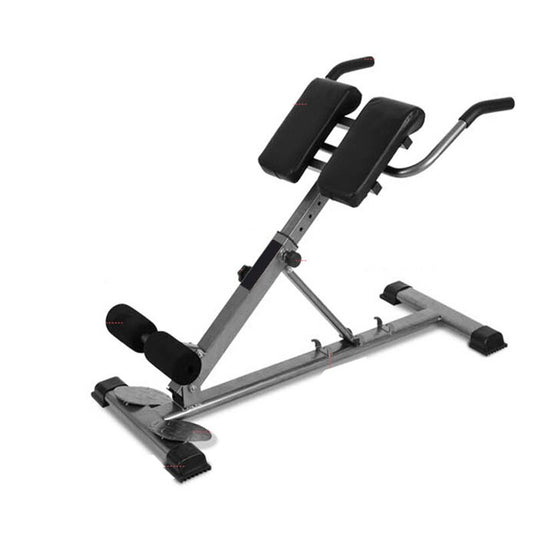
Back Hyperextension Chairs Australia

Shop online and save.

Collection: Back Hyperextension Chairs Australia

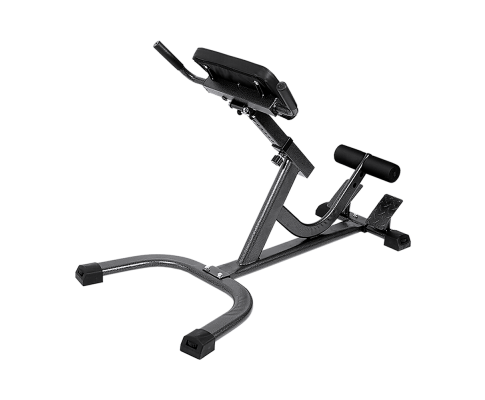
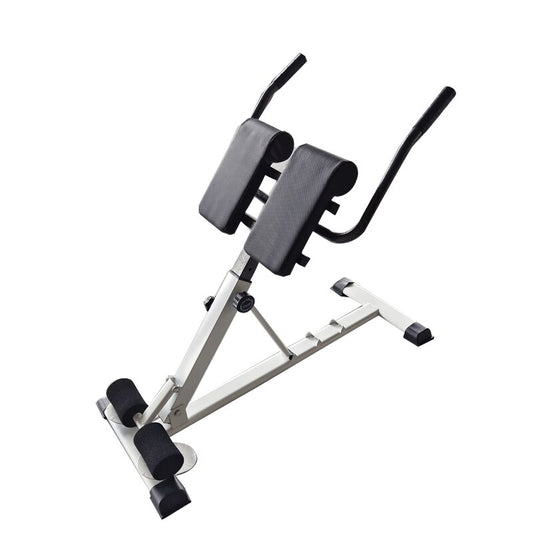
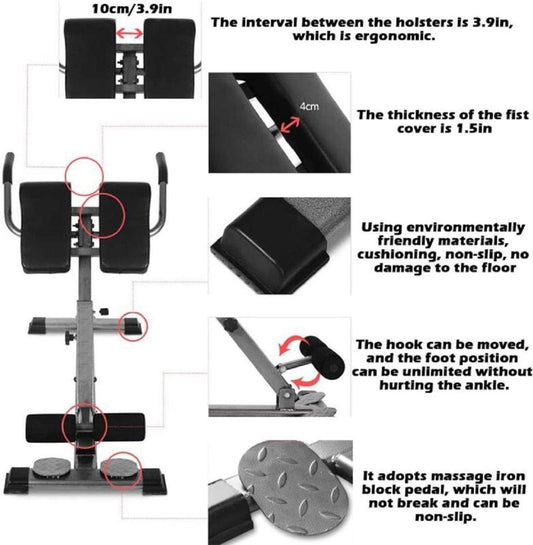
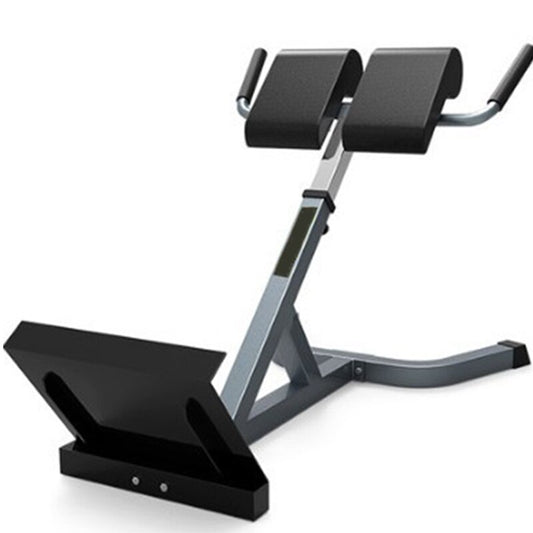
The Roman Chair/Back Hyperextension lets you train abs, back, glutes, and hams in complete comfort and safety. Your abs and lower back are crucial to your everyday activities, so you must keep them strong and tight to avoid painful injuries.

Back Hyperextension Chairs Australia

Frequently Asked Questions About Back Hyperextension Chairs Australia

What muscles do hyperextension chairs target?

Hyperextension chairs primarily target the erector spinae (lower back muscles), glutes, and hamstrings. By adjusting your body angle and adding weight, you can shift emphasis between these muscle groups. They're also effective for building overall posterior chain strength, which supports good posture and protects against lower back injuries.

Are hyperextension exercises safe for people with lower back pain?

Hyperextension exercises can actually help reduce lower back pain by strengthening the muscles that support the spine — but only when performed correctly and progressively. Start with bodyweight only, focus on a controlled range of motion (don't hyperextend beyond neutral), and build volume gradually. If you have a diagnosed back condition like a disc herniation, consult a physiotherapist before starting.

What's the difference between a 45-degree and 90-degree hyperextension bench?

A 45-degree bench positions your body at an angle, making the exercise easier and more comfortable for beginners. A 90-degree (flat) bench is parallel to the ground, which increases the difficulty by putting your lower back under more load at the bottom of the movement. Most home gyms benefit from a 45-degree bench as it's more versatile and approachable.

How often should I do hyperextension exercises?

Two to three sessions per week is sufficient for lower back strengthening. Start with 3 sets of 10-15 reps using bodyweight, then progress by adding a weight plate held against your chest. The lower back muscles recover relatively quickly but are also susceptible to overtraining if loaded too aggressively.

Can I use a hyperextension chair for glute ham raises?

Some hyperextension chairs have an adjustable pad and foot plate that allows glute ham raises (GHR), but not all do. A true GHR requires the pad to sit at hip height with a foot plate behind you, which is a different setup from a standard hyperextension. Check the product specifications to confirm GHR compatibility if that exercise is important to your training.

Want To Know More About Our Back Hyperextension Chairs Australia?

Read More About Back Hyperextension Chairs Australia

Choosing the Right Hyperextension Bench for Your Home Gym

A hyperextension bench — also called a Roman chair or back extension bench — is one of the most underrated pieces of home gym equipment. It targets the posterior chain (lower back, glutes, and hamstrings) through a movement pattern that directly transfers to deadlift strength, squat stability, and everyday back health.

If you sit at a desk for hours each day, your lower back muscles gradually weaken and shorten. A hyperextension bench provides a structured way to reverse this by strengthening the erector spinae muscles through their full range of motion — something that is difficult to replicate with other exercises at home.

Types of Hyperextension Benches

45-degree hyperextension benches position your body at an angle, making the exercise easier at the top of the movement. They are the most common type for home gyms because they are comfortable, approachable for beginners, and effective for moderate-load training.

90-degree (flat) hyperextension benches position your body horizontal, which maximises the load on your lower back at the bottom of the movement. These are harder and better suited for experienced lifters.

GHD (Glute Ham Developer) benches combine a hyperextension pad with a foot plate for glute ham raises — a more advanced exercise that targets the hamstrings and glutes through their full range. GHDs are standard equipment in CrossFit boxes and performance training facilities.

How to Use a Hyperextension Bench Safely

  • Position the pad at hip level so your upper body can hinge freely
  • Start with bodyweight only until you can perform 3 sets of 15 with clean form
  • Keep your spine neutral — avoid rounding your back at the bottom or hyperextending at the top
  • Add resistance gradually by holding a weight plate against your chest
  • Control the descent for 2-3 seconds on every rep to build real strength

Common Mistakes to Avoid

The most common error is hyperextending the spine at the top of the movement — arching your back beyond neutral in an attempt to get more range. This compresses the spinal discs and can cause injury over time. Instead, rise to a flat-body position (neutral spine) and squeeze your glutes at the top. The second common mistake is going too heavy too soon. The lower back responds well to moderate loads and higher reps — build a base of 15-20 reps before adding significant weight.

All hyperextension benches in our range ship Australia-wide. If you have specific questions about which bench suits your space and training goals, contact our team.