Tibialis Trainers & Tib Bars Australia

Shop online and save.

Collection: Tibialis Trainers & Tib Bars Australia

Build stronger tibialis anterior muscles with our range of tibialis trainers and tib bars. Essential for ATG (Knees Over Toes) training, these tools target the often-neglected shin muscles to improve ankle stability, reduce knee pain, and build bulletproof lower legs. Whether you are rehabbing an injury or training for performance, a quality tib bar is one of the most effective tools for anterior tibialis strengthening.

Tibialis Trainers & Tib Bars Australia

Frequently Asked Questions About Tibialis Trainers & Tib Bars Australia

What is a tibialis trainer and what does it do?

A tibialis trainer is a piece of equipment designed to strengthen the tibialis anterior — the muscle running down the front of your shin. You perform tibialis raises by dorsiflexing your foot (pulling toes toward your shin) against resistance. This movement is a cornerstone of the ATG (Knees Over Toes) program for building bulletproof knees and preventing shin splints.

What weight should I start with on a tibialis trainer?

Most beginners should start with just bodyweight or 2.5-5kg and focus on slow, controlled reps through full range of motion. Once you can complete 25 reps cleanly, add weight in small increments. The tibialis anterior responds well to higher reps (15-25), so don't rush to load heavy.

How often should I train my tibialis?

Two to three sessions per week is sufficient for most people. The tibialis anterior recovers relatively quickly compared to larger muscle groups, so you can train it every other day. Many ATG program followers include tibialis raises in every lower body session as a warm-up or accessory movement.

Will tibialis training help with shin splints?

Weak tibialis anterior muscles are one of the primary causes of shin splints in runners and athletes. Strengthening this muscle creates a better balance between the front and back of the lower leg, reducing the overload on the shin bone that causes pain. Many physiotherapists now prescribe tibialis raises as a rehab and prevention protocol.

What's the difference between a tibialis bar and a tibialis strap?

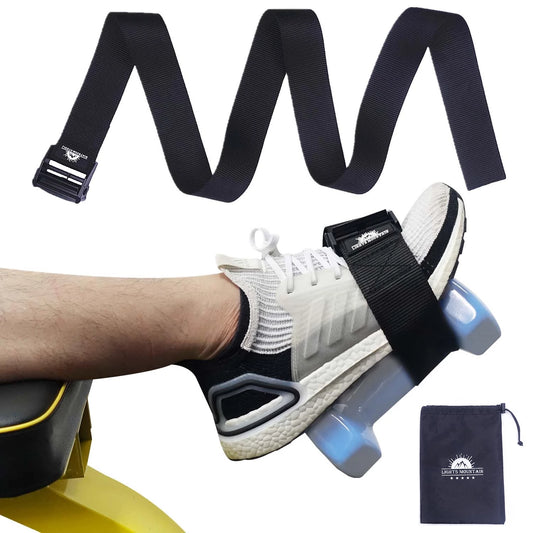
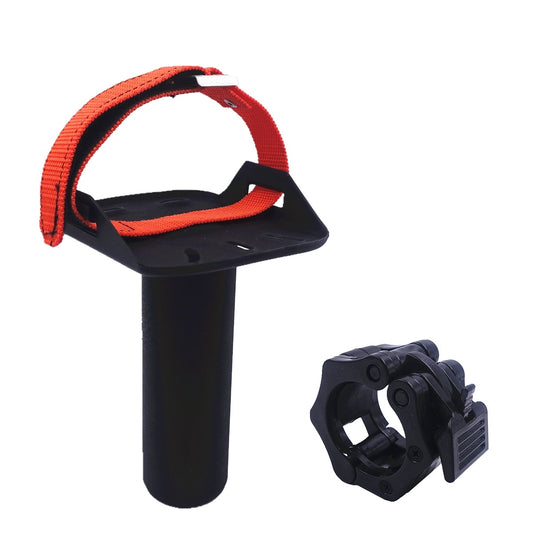
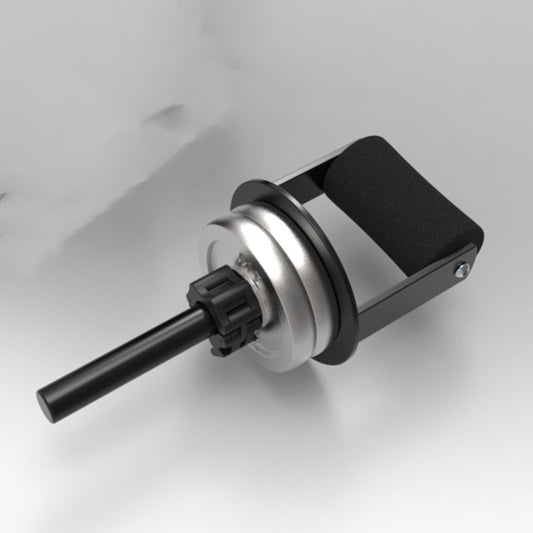
A tibialis bar is a standalone device you sit on and raise with your feet, typically loaded with weight plates. A tibialis strap wraps around your foot and attaches to a weight plate or cable machine, allowing you to perform the same movement with more flexibility in setup. Both target the same muscle — the strap is more portable and affordable, while the bar offers a more stable, gym-like setup.

Want To Know More About Our Tibialis Trainers & Tib Bars Australia?

Read More About Tibialis Trainers & Tib Bars Australia

How to Choose the Right Tibialis Trainer for Your Goals

Tibialis training has moved from niche physiotherapy clinics into mainstream fitness, largely thanks to Ben Patrick and the ATG (Athletic Truth Group) program. The tibialis anterior is the muscle responsible for dorsiflexion — pulling your toes toward your shin — and strengthening it creates a protective counterbalance to the calves that shields your knees, ankles, and shins from overuse injuries.

If you run, jump, play sport, or squat regularly, your tibialis is working every time your foot strikes the ground. But almost nobody trains it directly, which creates a strength imbalance that shows up as shin splints, knee pain, and ankle instability.

Tibialis Bar vs Tibialis Strap: Which One Do You Need?

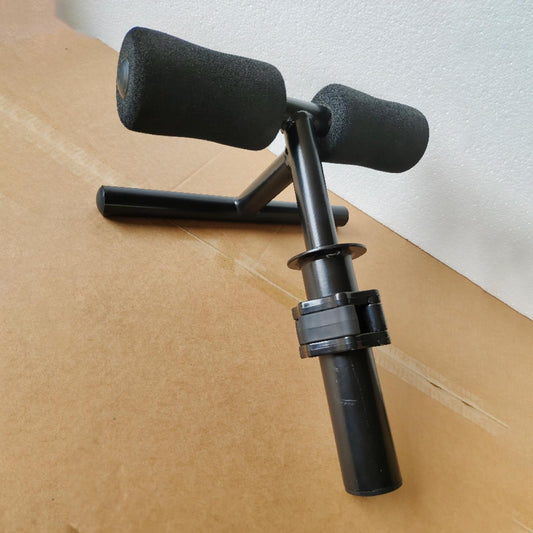
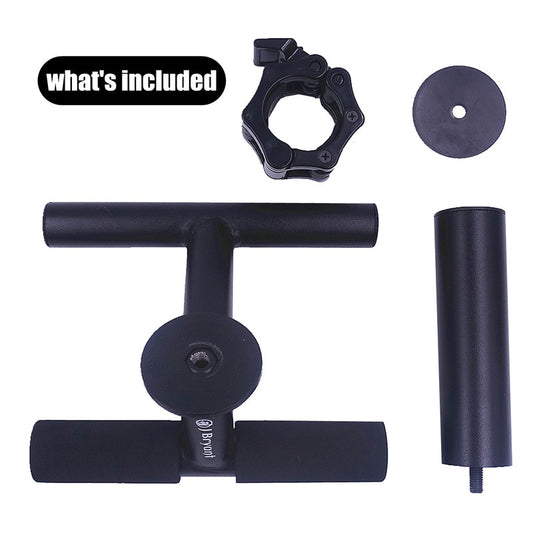
A tibialis bar is a dedicated machine — you sit on it, hook your feet under the lever, and raise against weighted resistance. It provides a fixed, stable movement path and is ideal for home gyms where you want a purpose-built setup. The Tib Bar is the flagship product in this category.

A tibialis strap is a portable alternative that wraps around your foot and connects to a weight plate or cable machine. It offers more flexibility in training angles and locations but requires more setup. Straps are better suited for people who train at different gyms or want a budget-friendly entry point.

Programming Tibialis Raises

The tibialis anterior responds best to moderate-to-high rep ranges. Most ATG programming prescribes 2-3 sets of 15-25 reps, 2-3 times per week. Start with bodyweight or very light resistance and progress by adding 1-2.5kg per week once you can hit 25 clean reps. The key is full range of motion — pull your toes up as high as possible, lower under control, and avoid using momentum.

Who Benefits from Tibialis Training?

  • Runners experiencing shin splints or chronic calf tightness
  • Athletes in sports involving sprinting, jumping, or cutting (football, basketball, tennis)
  • Anyone following the ATG / Knees Over Toes program
  • People recovering from ankle sprains or knee injuries under physio guidance
  • Lifters who want to improve ankle stability for squats and lunges

We ship all tibialis training equipment Australia-wide with fast delivery. If you are unsure which product suits your training setup, reach out to our team for guidance.