Hand Grips & Gloves

Shop online and save.

Collection: Hand Grips & Gloves

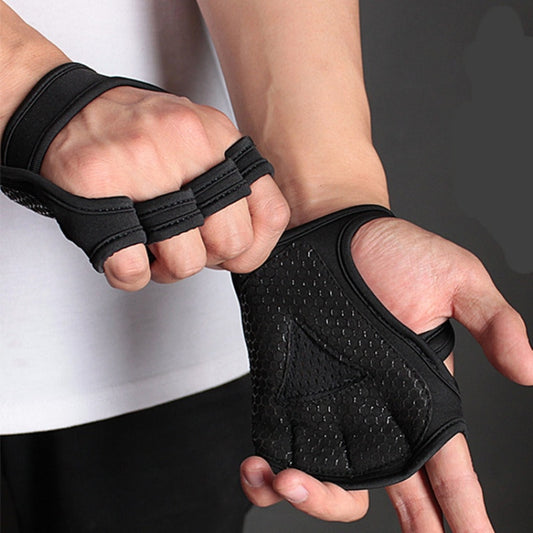
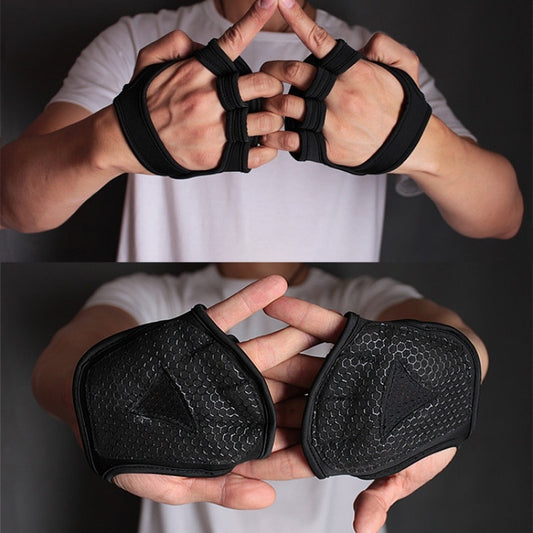
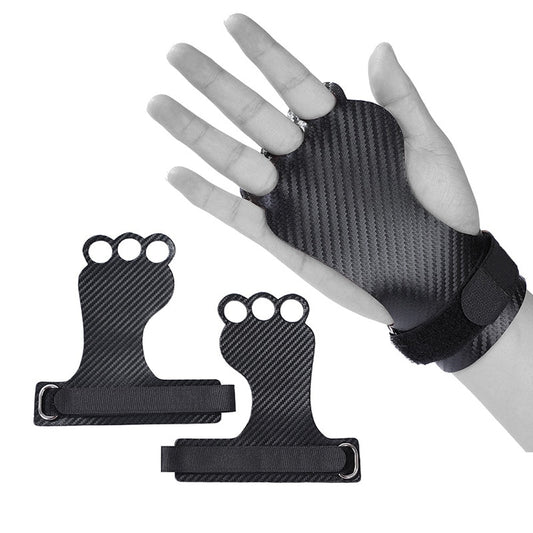
Protect your hands and improve your grip with our range of gym gloves, hand grips, and grip strengtheners. Whether you're pulling heavy deadlifts, working through high-rep pull-ups, or building crushing grip strength for sport, the right hand gear makes a noticeable difference to performance and comfort.

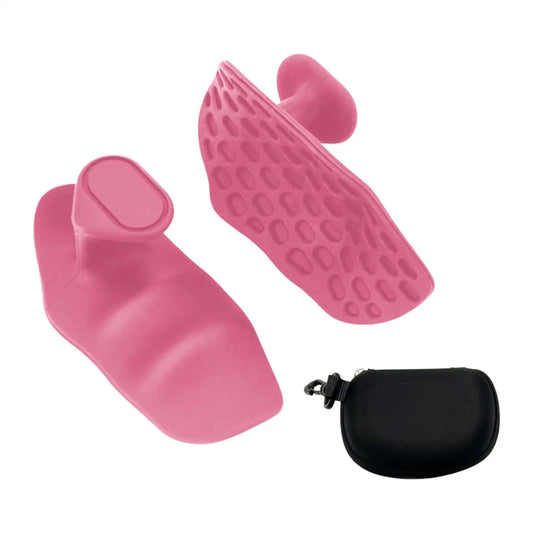
This collection includes padded lifting gloves for bar work, grip strengtheners for forearm training, and chalk alternatives for slip-free sessions. Shipped Australia-wide to your door.

Hand Grips & Gloves

Frequently Asked Questions About Hand Grips & Gloves

Do I need gym gloves for weight training?

Gym gloves are personal preference, not a requirement. They protect against calluses and improve grip comfort on knurled bars and pull-up bars. However, many coaches argue that training bare-handed builds better grip strength and proprioception over time. If calluses bother you or you have skin sensitivities, gloves are helpful. For heavy deadlifts and pulls, lifting straps are more effective than gloves.

What's the difference between gym gloves and lifting straps?

Gym gloves cover your palms and sometimes fingers, providing padding and friction. Lifting straps wrap around the bar and your wrists, mechanically locking your grip to the bar. Gloves are for comfort; straps are for holding heavier weight than your grip strength allows. For heavy deadlifts, shrugs, and barbell rows, straps let you train the target muscles without grip being the limiting factor.

How do grip strengtheners work?

Grip strengtheners build forearm and hand strength through repeated squeezing against resistance. They target the finger flexors and wrist muscles that control grip. Consistent use improves crushing grip strength (squeezing), which transfers to barbell holds, pull-ups, and sport performance. Use them for sets of 15-25 reps, 3-4 times per week, starting with a resistance that's challenging but allows clean reps.

What grip strength do I need for deadlifts?

Your grip should be able to hold the bar for the duration of your set. If your grip fails before your back and legs, you have two options: train grip specifically (farmer's walks, dead hangs, grip strengtheners) or use mixed grip/lifting straps for heavy working sets while training grip separately. Many competitive lifters use straps for all training sets and only go strapless in competition.

Should I use chalk or gloves for pull-ups?

Chalk is generally better than gloves for pull-ups. It absorbs moisture and improves your connection to the bar without adding material between your hand and the bar. Gloves can actually reduce grip security on pull-up bars because the fabric bunches and shifts. Liquid chalk is a clean, mess-free option that most commercial and home gyms can use without residue.

Want To Know More About Our Hand Grips & Gloves?

Read More About Hand Grips & Gloves

Grip Strength: The Missing Link in Most Training Programs

Grip strength is the limiting factor in more exercises than most people realise. Deadlifts, pull-ups, barbell rows, farmer walks, and even heavy dumbbell pressing all depend on your ability to hold the weight. When your grip fails before the target muscle, you leave gains on the table. Training grip directly and using the right hand protection makes a measurable difference to your overall training performance.

Gym Gloves vs Bare Hands vs Lifting Straps

Bare hands build the most grip strength over time and give you the best proprioceptive feedback (feeling the bar). The trade-off is calluses and occasional hand tears during high-rep pull-ups or heavy deadlifts.

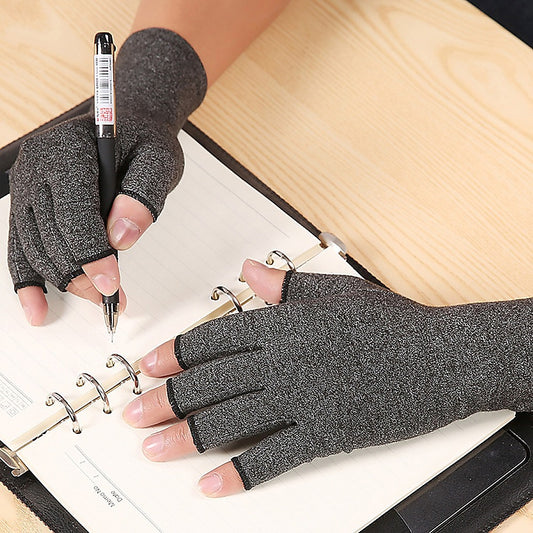
Gym gloves protect your palms from calluses and provide light padding. They slightly reduce grip diameter, which can help people with smaller hands. Not ideal for heavy pulling where maximum grip security matters.

Lifting straps wrap around the bar and your wrists, mechanically locking your grip. They allow you to lift heavier on pulls (deadlifts, rows, shrugs) without grip being the limiter. Used by powerlifters, bodybuilders, and serious strength athletes.

Chalk (powder or liquid) absorbs sweat and increases friction between your hands and the bar. The simplest, cheapest way to immediately improve grip on any exercise. Liquid chalk is mess-free and allowed in most commercial gyms.

Building Grip Strength

Dedicated grip training does not need to be complicated. Add one or two of these to the end of your training sessions, 2-3 times per week:

  • Dead hangs: hang from a pull-up bar for max time (builds endurance grip)
  • Farmer walks: carry heavy dumbbells or kettlebells for 30-40 metre walks (builds loaded grip)
  • Grip strengthener squeezes: 3 sets of 15-25 reps with a hand gripper (builds crushing grip)
  • Plate pinches: pinch two weight plates together and hold for time (builds pinch grip)
  • Towel pull-ups: drape a towel over the bar and grip the towel (builds thick-bar grip)

Our range covers gym gloves, lifting straps, grip strengtheners, and chalk — everything you need to protect your hands and build a stronger grip. All products ship Australia-wide.