Buy Weight Plates Online: Elevate Your Gym Experience
Looking to buy high-quality weight plates for your gym? Look no further than our extensive collection of bumper weight plates! We offer a wide range of weight plates, ranging from 5kg to 25kg, designed to help you achieve your fitness goals.
Buy Weight Plates From Australia's Leading Online Retailer
Our bumper weight plates are made from high-quality materials, ensuring their durability and longevity. When you buy weight plates from us, you're investing in your fitness journey.
Discover the Benefits:
-
High-Quality Bumper Weight Plates: Our weight plates range from 5kg to 25kg, catering to all fitness levels.
-
Built to Last: Crafted from durable materials, our weight plates are designed for long-lasting use.
-
Sleek and Attractive Design: The sleek and attractive design of our plates complements any gym or workout space.
-
Easy Online Purchasing: With our user-friendly website, it's easy to browse and purchase weight plates online. Our secure checkout process ensures that your transaction is safe and secure, giving you peace of mind.
What is the Purpose of Weight Plates in Fitness?
Weight plates serve as indispensable strength training equipment, designed to bolster exercises, promote muscle growth, and enhance strength. Typically paired with barbells, dumbbells, or weightlifting machines, weight plates augment the resistance in various exercises, such as squats, deadlifts, bench presses, and overhead presses. Available in diverse sizes and weights, weight plates offer a progressive approach to resistance, making them essential for individuals striving to increase strength, build muscle mass, or elevate their overall fitness.
Exploring Common Exercises with Weight Plates
Weight plates open the door to a wide range of exercises, including:
-
Barbell Squats: By adding weight plates to the ends of a barbell, you can intensify squats, a fundamental leg exercise.
-
Deadlifts: Weight plates, affixed to a barbell, play a pivotal role in deadlifts—a compound exercise targeting the back, glutes, and legs.
-
Overhead Presses: Employ weight plates either held in each hand or attached to a barbell for overhead presses, effectively engaging the shoulders, triceps, and upper back.
-
Lunges: Weight plates can be held in each hand or placed on the shoulders during lunges, focusing on the legs and glutes.
-
Russian Twists: Held in front of the chest during seated twists, weight plates work the abs and obliques effectively.
-
Bent-over Rows: Whether held in each hand or secured to a barbell, weight plates enhance bent-over rows, targeting the back muscles.
-
Plate Curls: For bicep-focused workouts, hold weight plates in each hand and curl them towards the chest.
-
Plate Raises: Weight plates, grasped in each hand, facilitate front or side raises, effectively working the shoulders.
These are just a selection of the numerous exercises that can be enriched with the addition of weight plates.
Exploring the Range of Weight Plates
Gym Direct presents a diverse selection of weight plates, each catering to specific needs:
-
Olympic Weight Plates: With a 2-inch diameter center hole, Olympic weight plates are intended for use with Olympic-sized barbells. They are available in a variety of weights, ranging from 2.5 pounds to 100 pounds or more.
-
Standard Weight Plates: Featuring a 1-inch diameter center hole, standard weight plates are designed for use with standard-sized barbells or dumbbell handles, available in a variety of weights.
-
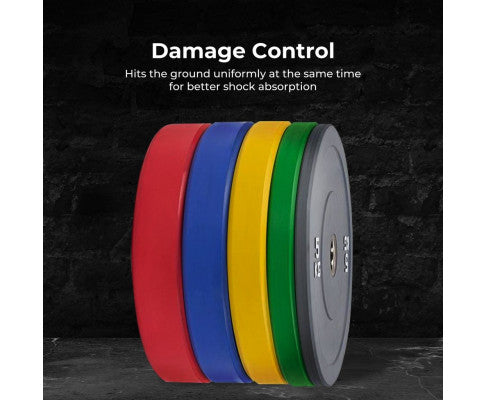
Bumper Plates: Specifically crafted for Olympic lifting, bumper plates are made of rubber, allowing for overhead drops without damaging the floor or plates. They are available in diverse weights and colors.
-
Fractional Plates: Smaller in size, fractional plates enable incremental weight adjustments for lifting. They are available in weights as small as 0.25 pounds and compatible with both standard and Olympic-sized bars.
-
Technique Plates: Designed to facilitate beginners in mastering proper lifting form and technique, technique plates are lightweight and feature larger diameters to ease beginners into barbell lifting.
-
Grip Plates: Equipped with handles or grips, these plates offer enhanced portability and ease of use, available in both standard and Olympic sizes.
This range ensures that you can select the weight plates that align with your fitness goals and equipment.
Selecting the Right Weight Plates for Your Gym
The choice of weight plates for your home or commercial gym hinges on several factors:
-
Define Your Fitness Goals: Opt for heavier weight plates to build strength and muscle mass, while lighter ones may suffice for toning and conditioning workouts.
-
Consider Equipment Compatibility: Ensure your weight plates match the barbell type you own—Olympic, standard, or another variety. Bumper plates, ideal for commercial gyms, may not be necessary for home setups.
-
Set a Budget: Weight plates vary in price, depending on factors such as material, weight, and brand. Set a budget and select weight plates within your financial range.
-
Prioritize Quality: Opt for weight plates crafted from high-quality materials with robust construction for long-lasting durability, guaranteeing longevity amid regular usage.
-
Evaluate Storage Space: Confirm you have sufficient storage space for your weight plates when not in use. Choose weight plates that can be easily stacked or stored on a weight plate rack.
By keeping these considerations in mind, you can make an informed decision and select the ideal weight plates for your home or commercial gym that align with your fitness objectives and budget.
How Often Should You Change Your Weight Lifting Routine?
It is advisable to modify your weight lifting routine every 4-6 weeks. Over time, your body adapts to the stress imposed by your workouts, potentially leading to plateaus in your progress.
Changing your routine offers several advantages:
-
Muscle Confusion: Varied exercises challenge your muscles differently, preventing adaptation and promoting growth.
-
Target Different Muscle Fibers: Altering sets and reps enables you to target various muscle fibers, catering to diverse training objectives.
-
Challenge Your Muscles: Adjusting weights, adding new equipment, or incorporating different forms of resistance keeps your workouts engaging and effective.
Remember, gradual progression is key to avoiding injury and ensuring your body has time to adapt to new challenges.
Whether you're a seasoned bodybuilder or just starting out, our weight plates are the perfect addition to your workout routine. So why wait? Buy weight plates online today and start working towards your fitness goals!

 Sold out